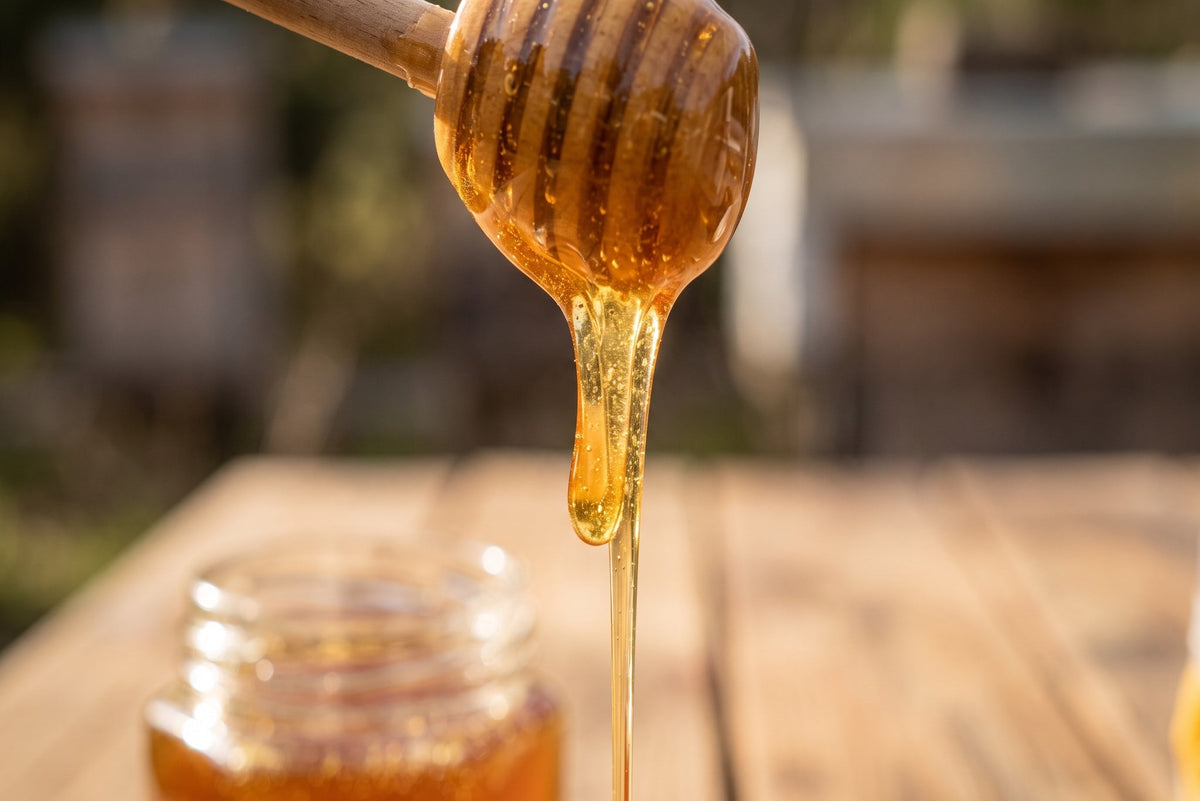
One of the most common questions we receive is: "Is Manuka honey safe for diabetics?"
It’s a vital question. Manuka honey is globally celebrated for its health benefits, but at the end of the day, it is composed of natural sugars. If you are managing diabetes, it’s important to understand the difference between consuming Manuka honey internally and utilizing its incredible benefits topically.
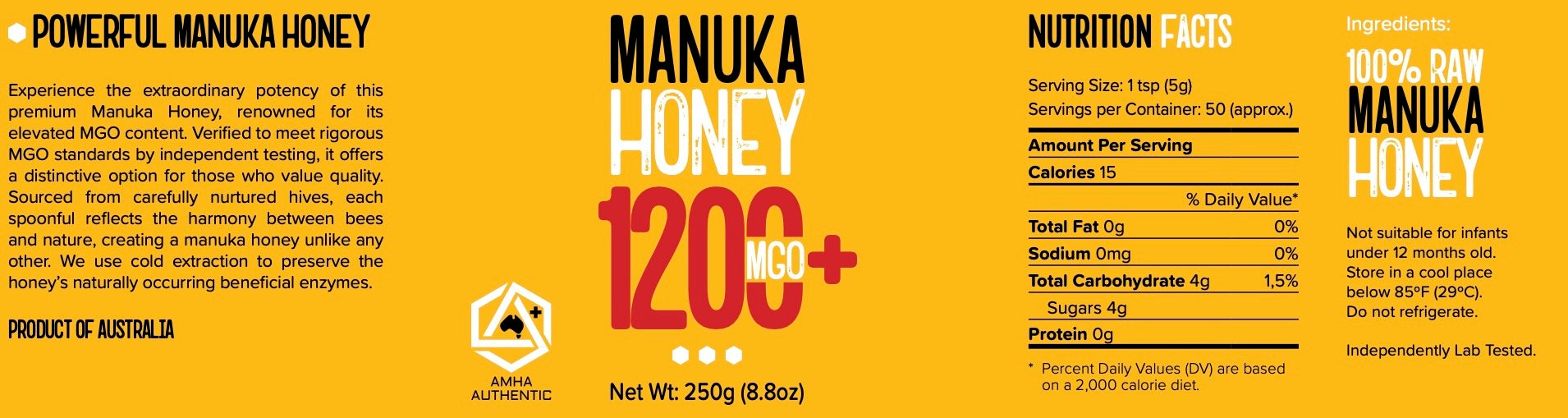
Eating Manuka Honey with Diabetes Let's look at the numbers. Standard table sugar (sucrose) has a Glycemic Index (GI) of around 65. Raw Manuka honey generally has a slightly lower GI (ranging from 54 to 59) because it contains a higher ratio of fructose to glucose.
While it causes a slightly slower blood sugar spike than white sugar, it will still raise your blood glucose levels. If you are diabetic and wish to consume Manuka honey for its internal gut or throat benefits, it must be carefully factored into your daily carbohydrate allowance, and you should always consult your endocrinologist or dietician first.
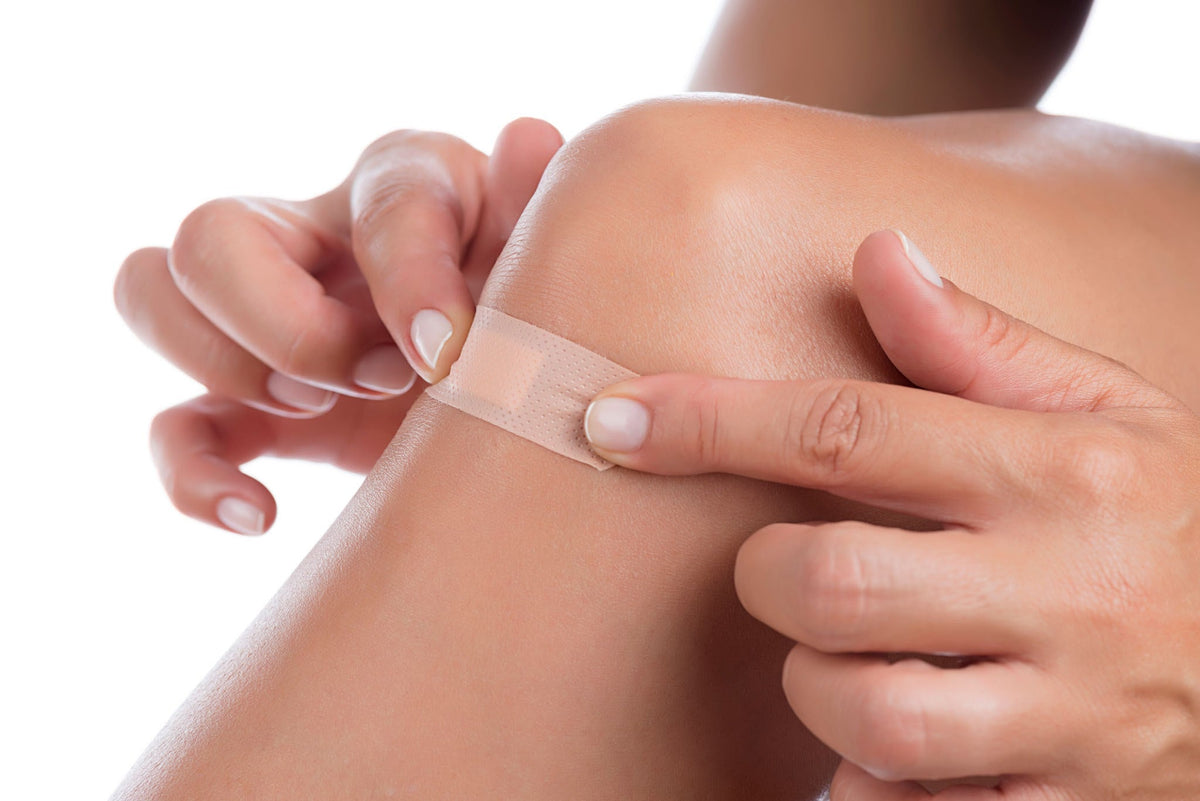
The Real Benefit: Topical Diabetic Care Where Manuka honey truly shines for the diabetic community isn't on a spoon—it’s on the skin.
People with diabetes are often prone to slow-healing wounds, particularly on the lower legs and feet, due to reduced circulation. This is where medical-grade Manuka honey becomes an invaluable tool.
Because of its unparalleled antibacterial properties (driven by high levels of Methylglyoxal) and its ability to stimulate tissue regeneration, applying high-MGO Manuka honey to minor diabetic ulcers and skin abrasions can act as a powerful catalyst for healing.
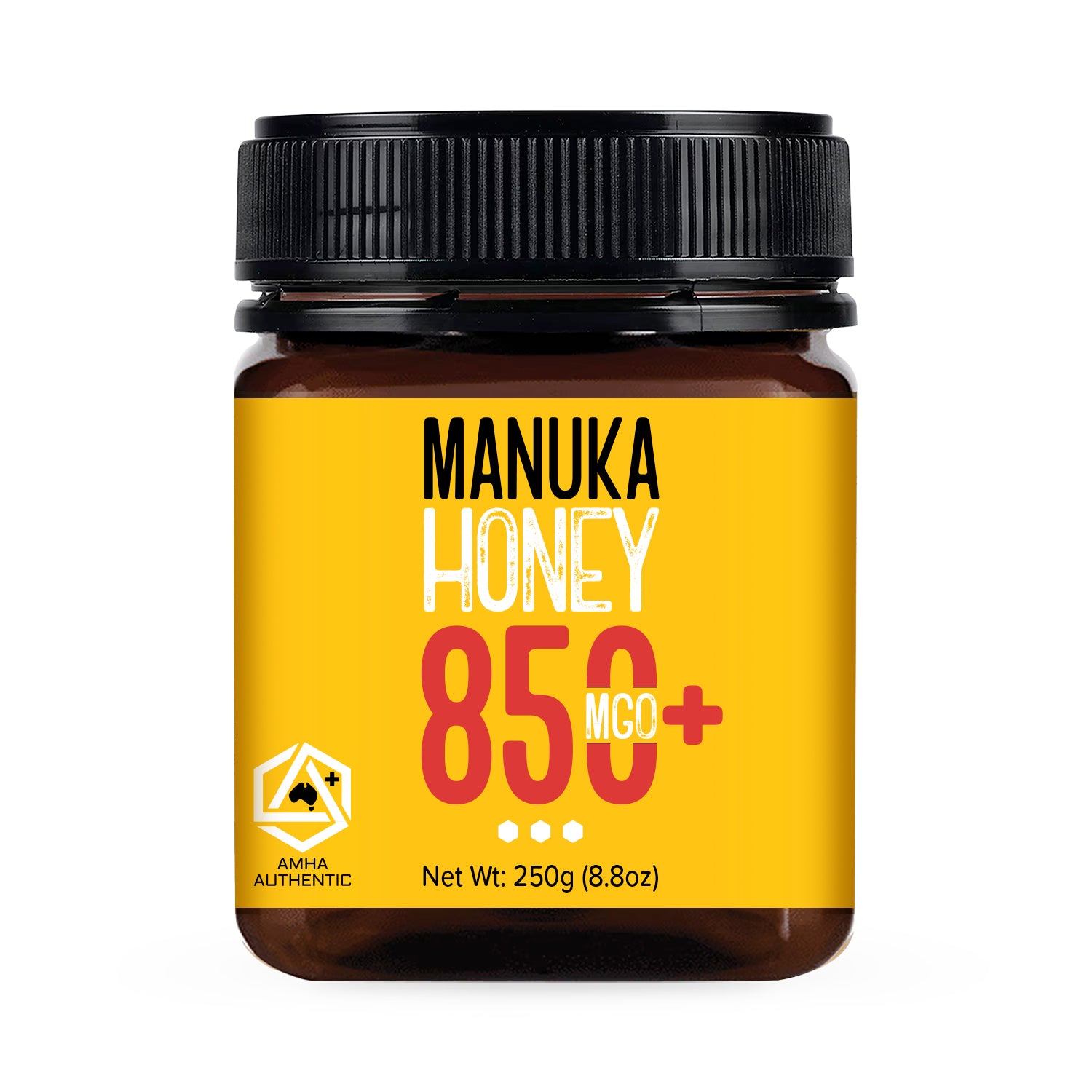
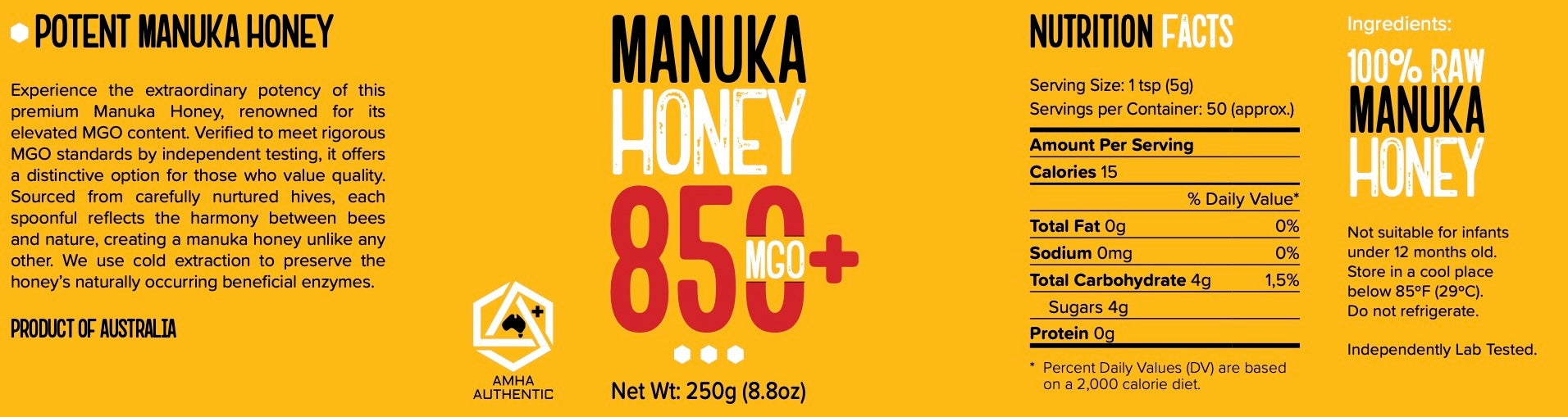
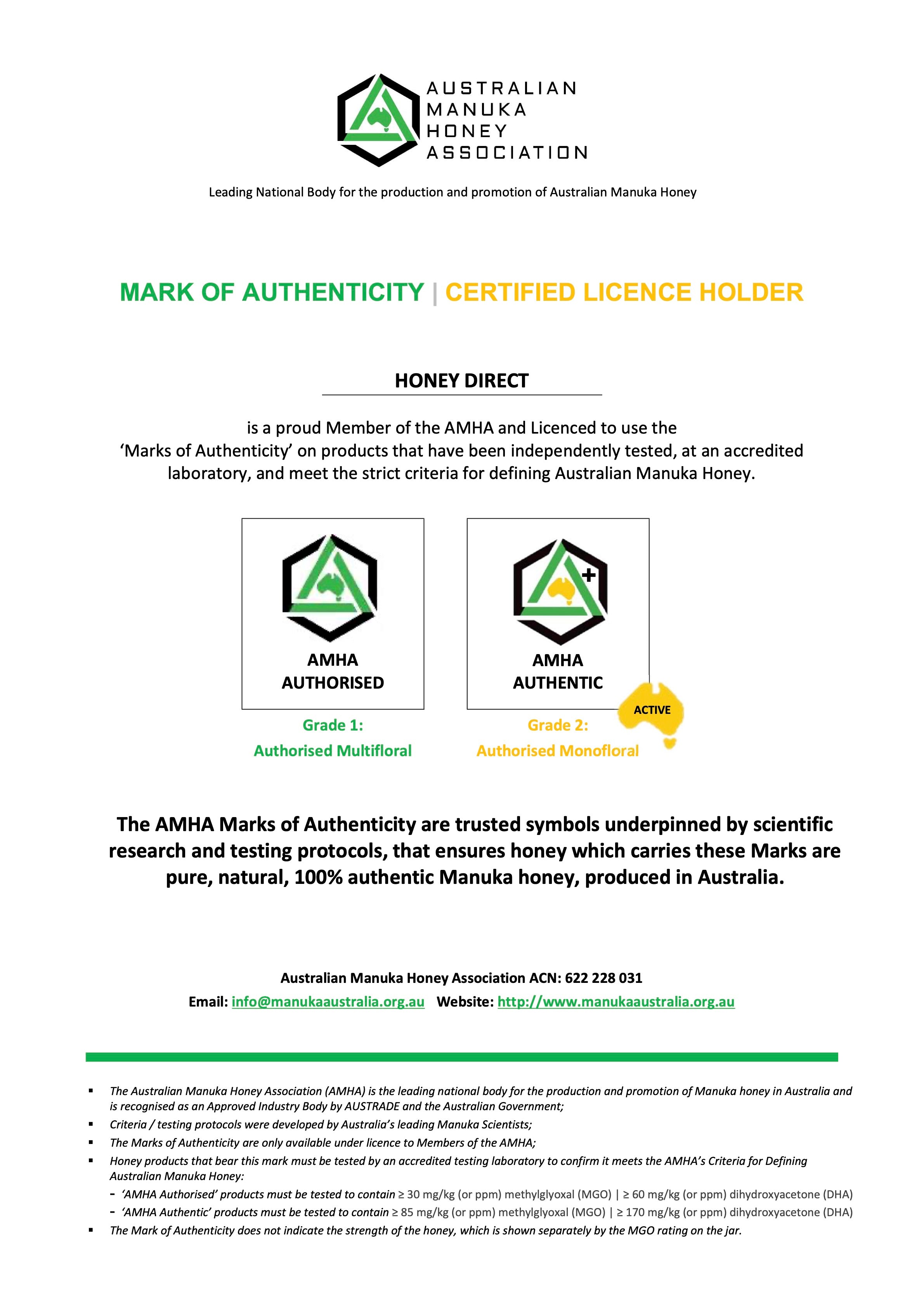
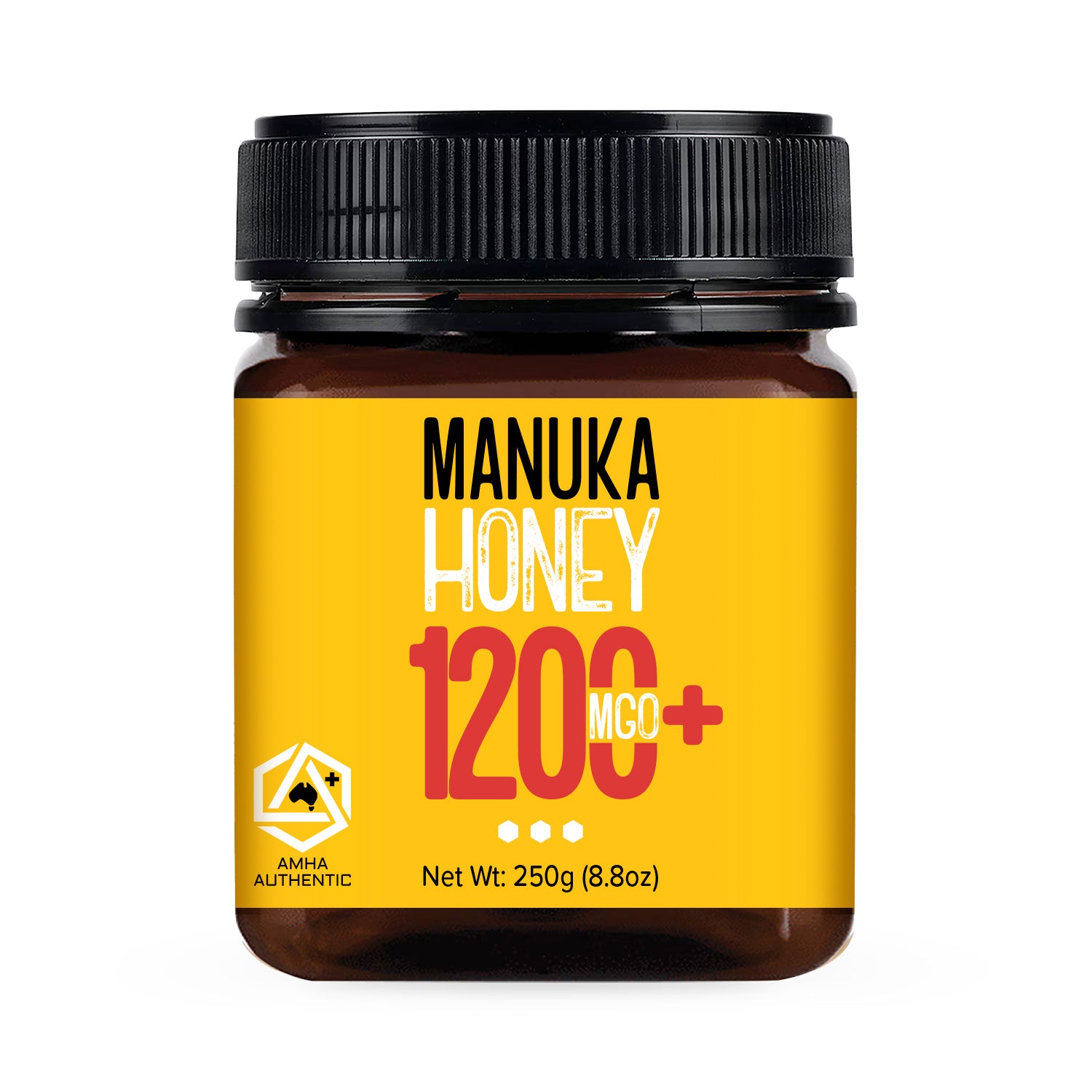
When applied topically, the sugar in the honey does not enter the bloodstream, meaning you get all of the potent healing benefits with none of the glycemic impact. For topical care, ensure you are using an AMHA-certified grade of at least 850+ MGO.
Always consult a healthcare professional before beginning any new health protocol.
Discover our freshly harvested, raw Australian Manuka honey →