For centuries, honey has been used as a natural remedy for skin ailments, but it isn’t just an old wives' tale. Today, medical-grade Manuka honey is actively used in hospitals and burn wards around the world. But how do you replicate these clinical protocols at home?
If you are dealing with a stubborn cut, minor burn, or slow-healing scrape, applying standard supermarket honey won't cut it. You need the potent, non-peroxide activity found only in high-grade Manuka.
Why Manuka Works on Wounds When applied topically, high-MGO Manuka honey does two things simultaneously:
- The Osmotic Effect: Because honey is high in sugar and low in moisture, it naturally draws fluid out of the wound bed. This creates a moist, low-pH healing environment while naturally flushing away debris.
- The MGO Factor: Methylglyoxal (MGO) provides a unique, highly stable antibacterial barrier that isn't destroyed by the body's natural enzymes, unlike the peroxide found in regular honey.
The Overnight Application Protocol For best results on minor, non-emergency wounds, follow this simple overnight method:
- Clean the Area: Gently wash the minor wound with mild soap and water, then pat completely dry.
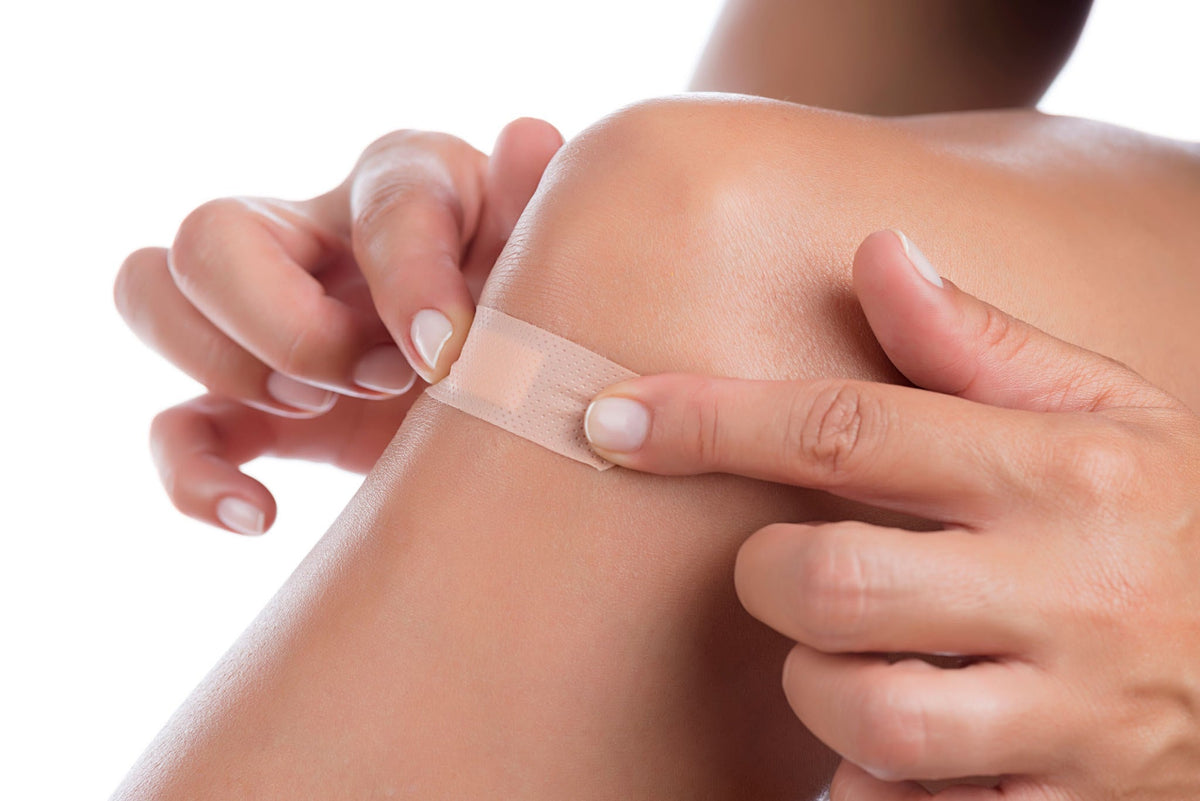
- Apply to the Dressing, Not the Skin: Instead of trying to spread thick, sticky honey directly onto a sensitive wound, apply a generous layer (about 1/4 inch thick) directly to a sterile gauze pad or large waterproof bandage.
- Seal it Up: Place the honey-coated pad over the wound and secure the edges firmly with medical tape. You want to keep the honey trapped against the skin so it doesn't leak out onto your sheets overnight.
- Remove and Repeat: In the morning, gently remove the bandage. The honey will have thinned out as it absorbed wound fluid. Rinse the area gently with warm water, and repeat the process if necessary.
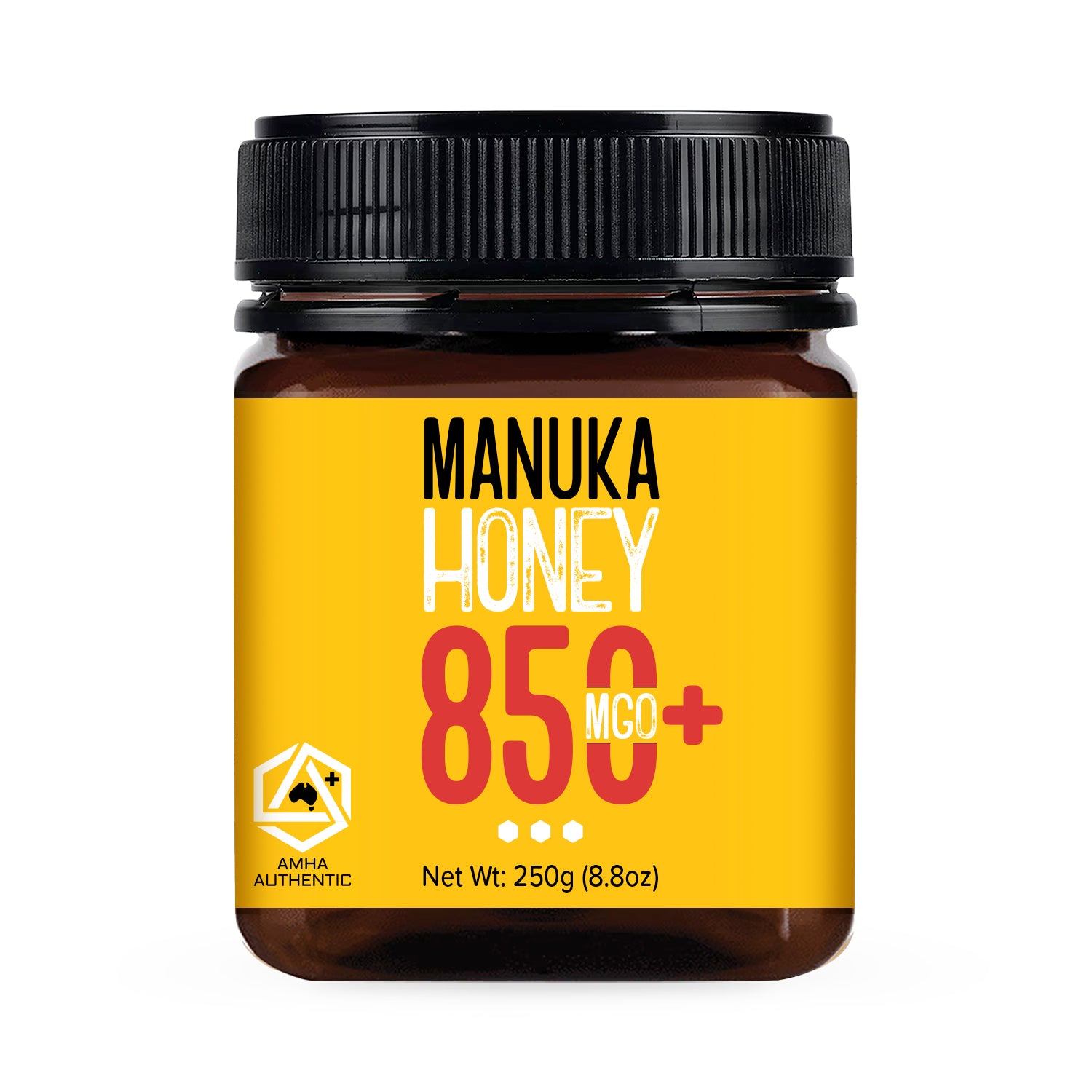
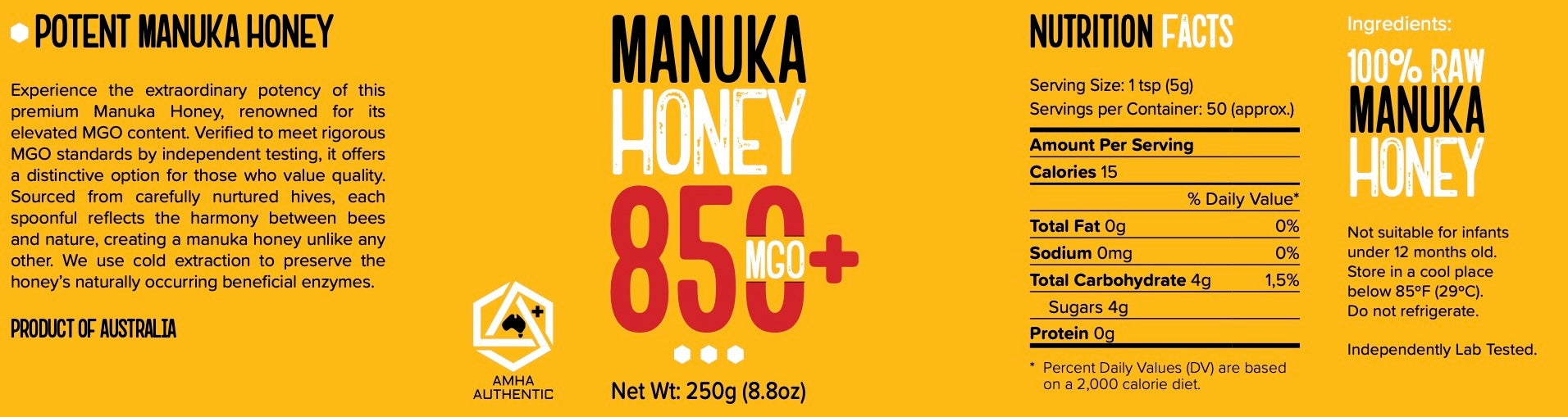
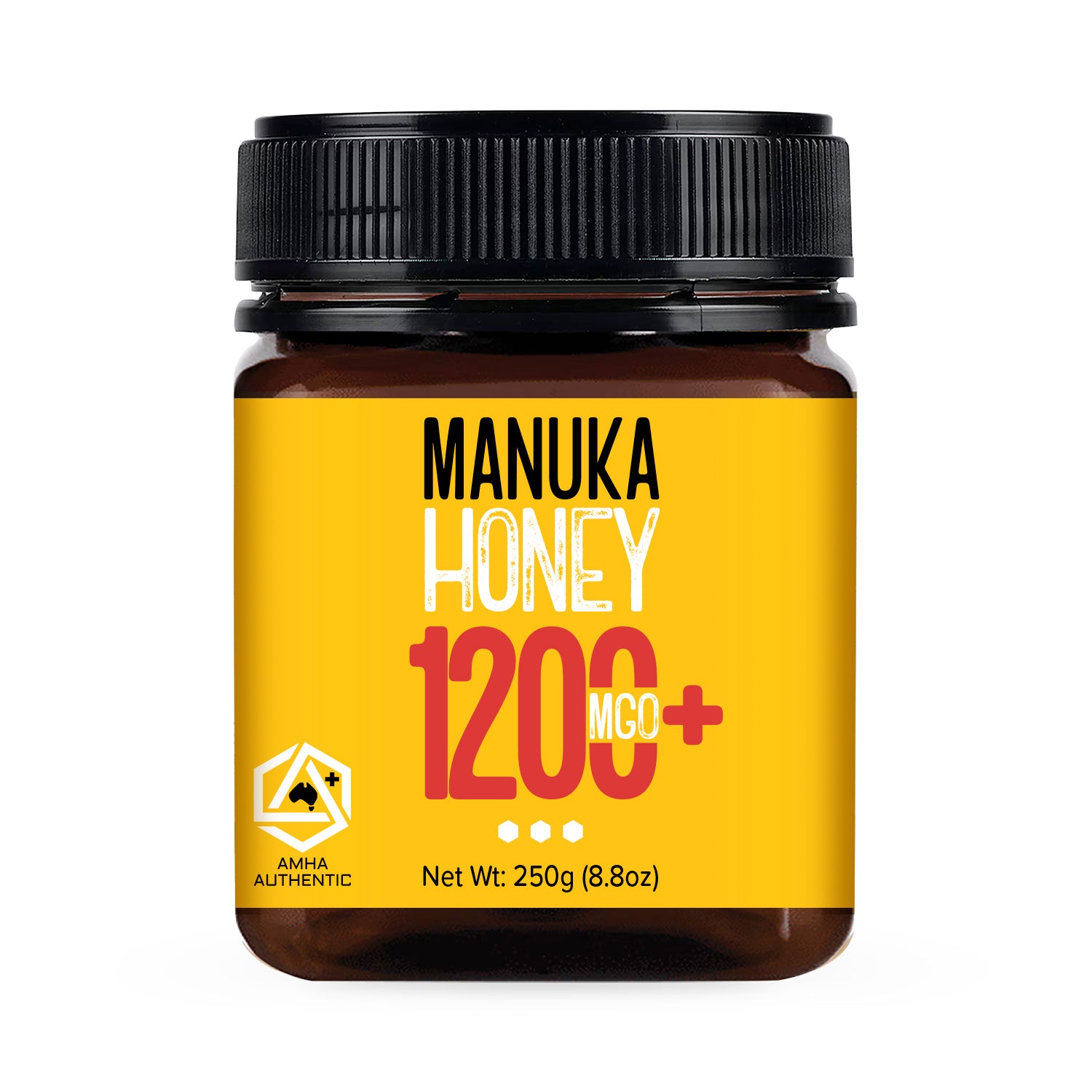
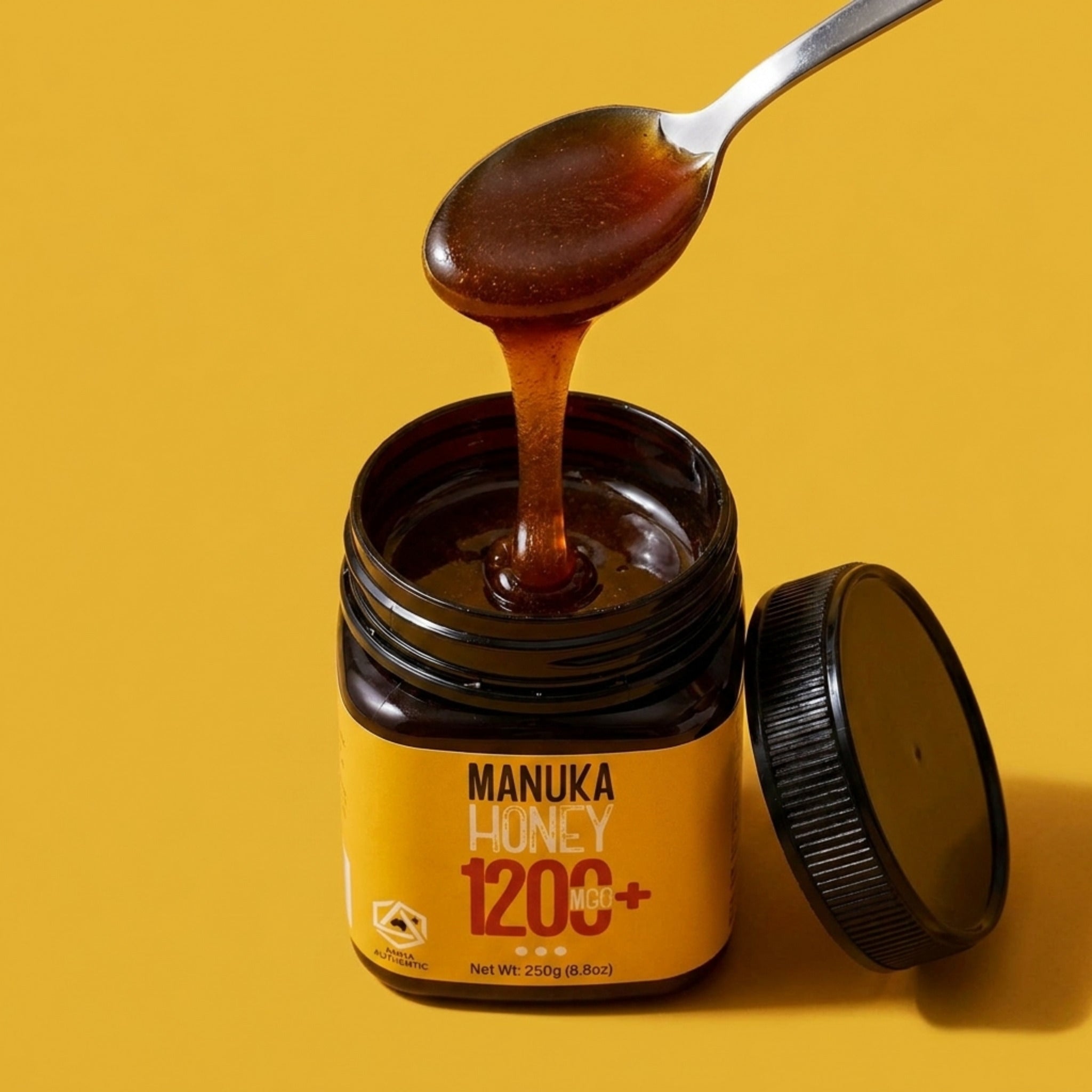
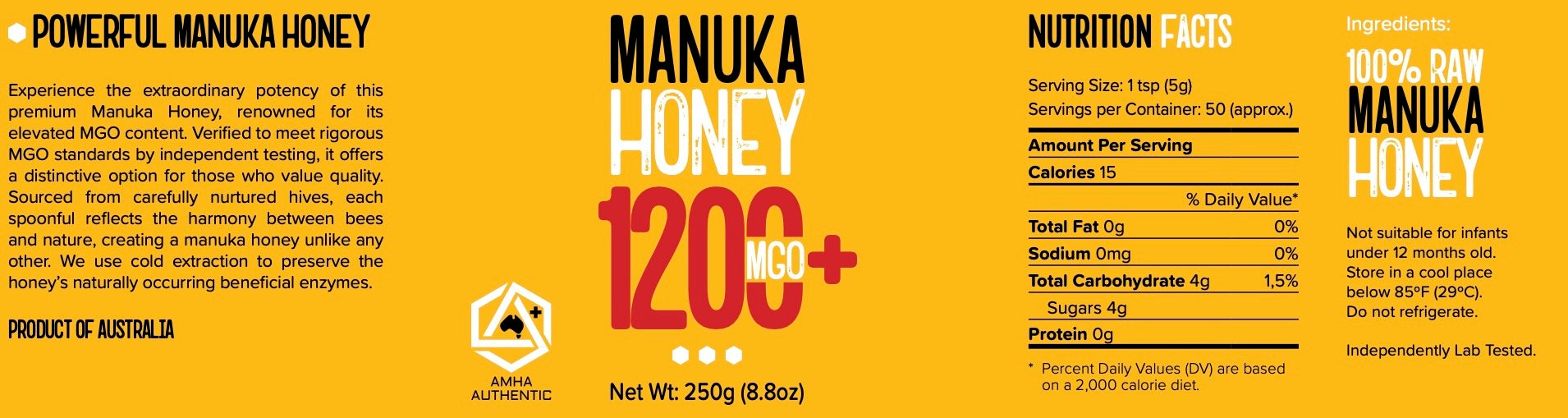
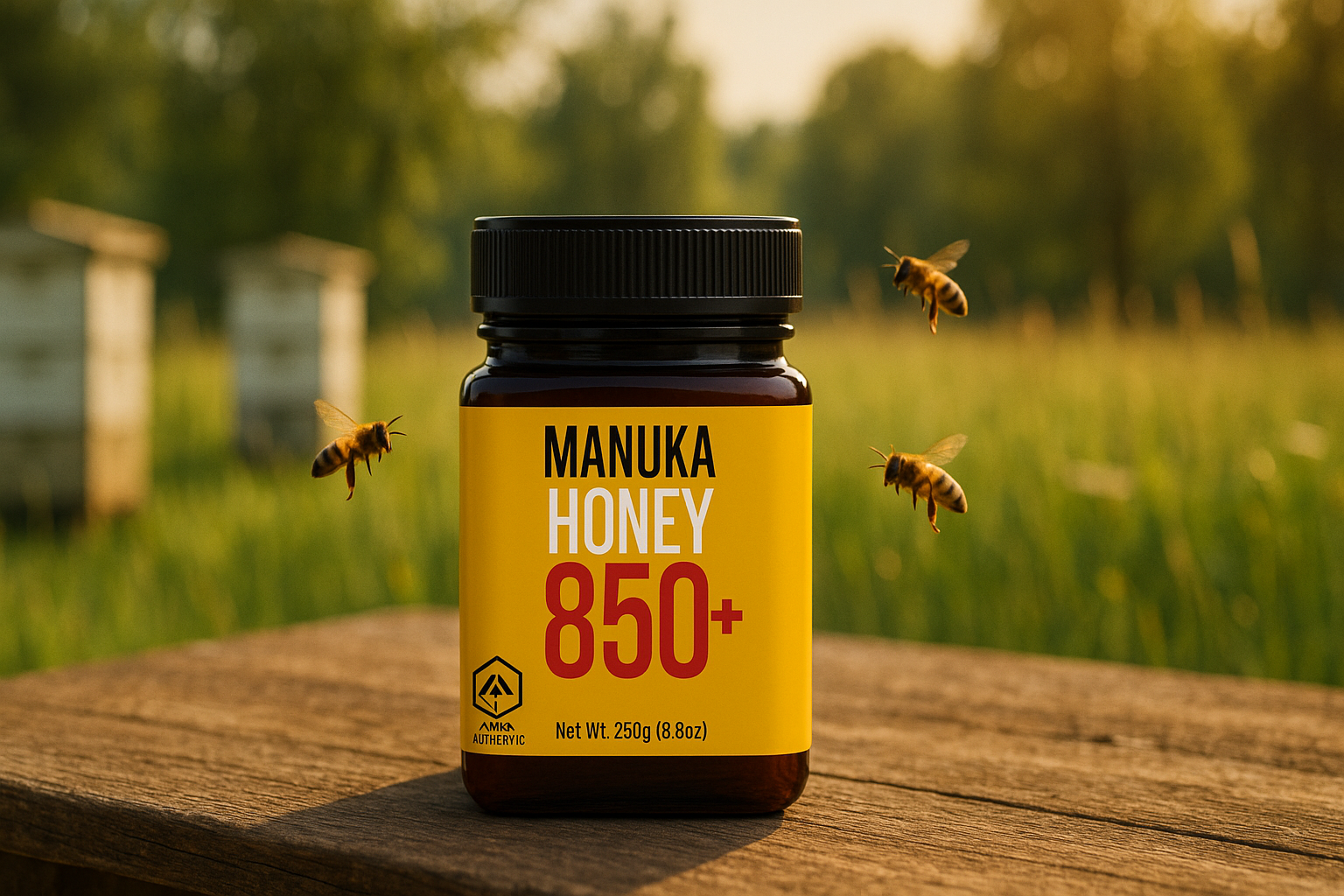
For topical applications, we always recommend reaching for our Manuka 850+ MGO or our ultra-potent Manuka 1200+ MGO to ensure you are getting true medicinal-grade antibacterial properties.
Always consult a healthcare professional for serious, deep, or infected wounds.
Discover our freshly harvested, raw Australian Manuka honey →